
Sample Collection Instructions
All poultry DNA tests offered by Ederington Homestead use freshly plucked feather follicle samples. This method provides reliable DNA for testing and is compatible with all assays we perform.
What You Will Need
Clean hands or disposable gloves
1 Small paper envelope per sample
Permanent marker
A calm bird

Feather Sample Collection Instructions
To ensure accurate DNA testing, please follow the instructions below when submitting feather samples.
1. Gently pluck 5 to 7 small body feathers from the breast or saddle area
Submitting multiple feathers improves DNA yield and allows for repeat testing if needed.
2. Allow feathers to dry
Feather based DNA testing relies on cells located at the base of plucked feathers. While DNA itself is stable when dry, moisture can interfere with sample quality during storage and shipping.
3. Place dry feathers directly into the labeled paper envelope and seal or tape closed.
Label each envelope with the bird name, band number, or clear identifier.
4. Mail samples to Ederington Homestead.
I suggest using a USPS Priority Mail Flat Rate Padded Envelope with tracking to mail samples.
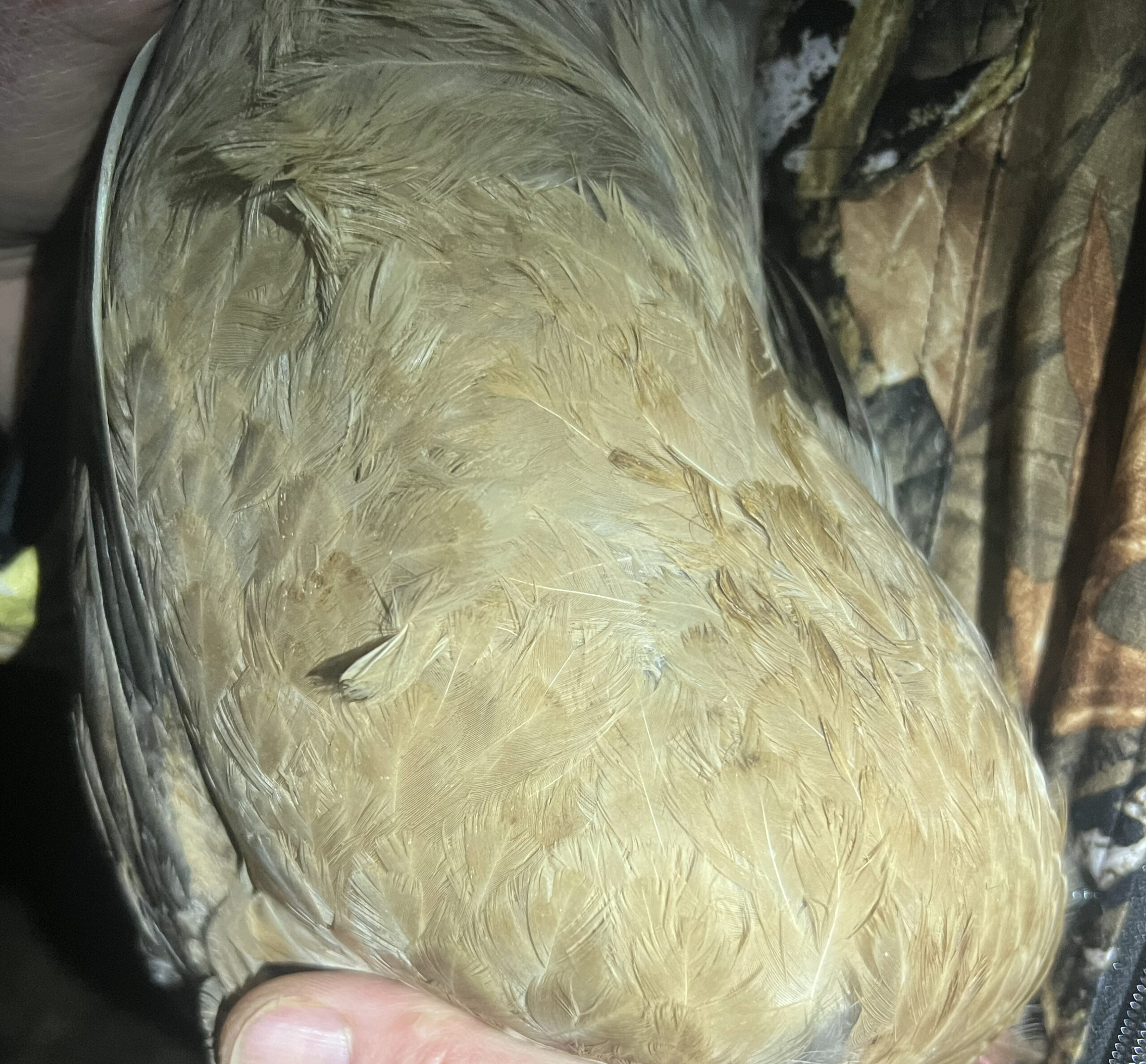
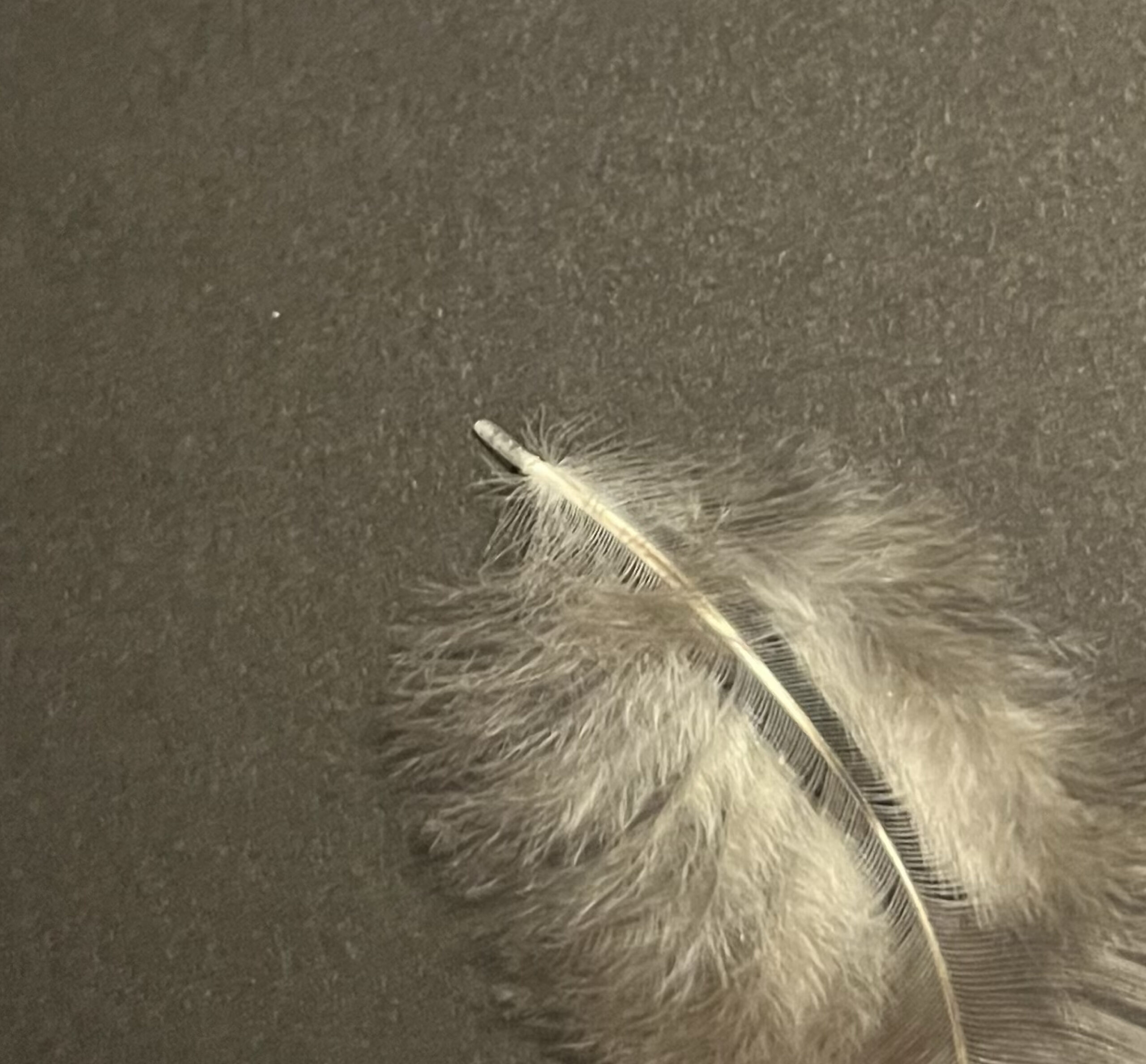
Do not cut feathers with scissors
Avoid large flight or tail feathers
Do not intentionally pull blood feathers
Do not send molted feathers found on the ground
Do not send wet or damp feathers
Collecting Samples From Multiple Birds
If you are collecting feathers from more than one bird, these steps help prevent sample mix ups and reduce the chance of cross contamination.
Collect and package feathers from one bird at a time
Wash hands or change gloves between birds
Avoid placing feathers on shared surfaces
Use a separate labeled envelope for each bird
Important Notes
Feather based DNA testing relies on cells located at the base of plucked feathers. Fully grown feathers are typically dry and hollow, which is normal and expected. Submitting fewer than the required number of feathers may result in insufficient DNA and an inconclusive result.
Samples that do not meet submission requirements may result in delayed testing or inconclusive results.
Plastic bags can trap moisture and humidity, which may lead to DNA degradation during transit. For this reason, paper envelopes are recommended for mailed feather samples.
For best results, samples should be submitted within 14 days of collection. Feather samples that have been kept dry and properly stored may remain viable for up to 30 days, though DNA quality cannot be guaranteed beyond the preferred window.
Poultry DNA Testing Resources
From collecting samples to understanding your results, these guides are here to help you breed smarter, select stronger traits, and build your rainbow egg basket with confidence.
DNA Sample Instructions
Step-by-step guide to collecting and submitting your poultry DNA samples correctly for accurate results.
Terms and Conditions
Understand our testing policies, guarantees, and limitations before submitting your samples.
What Poultry DNA Testing Can and Cannot Tell You
Get the facts on what’s possible—and what isn’t—with modern chicken DNA testing.
Genetics and Breeding Philosophy
Explore how we use science-backed breeding to build a better rainbow egg basket.