Legbars
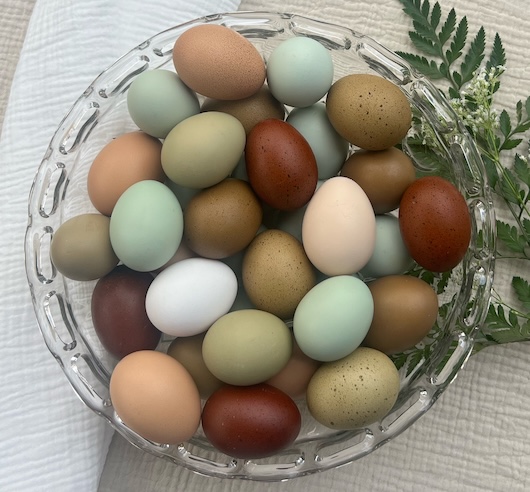
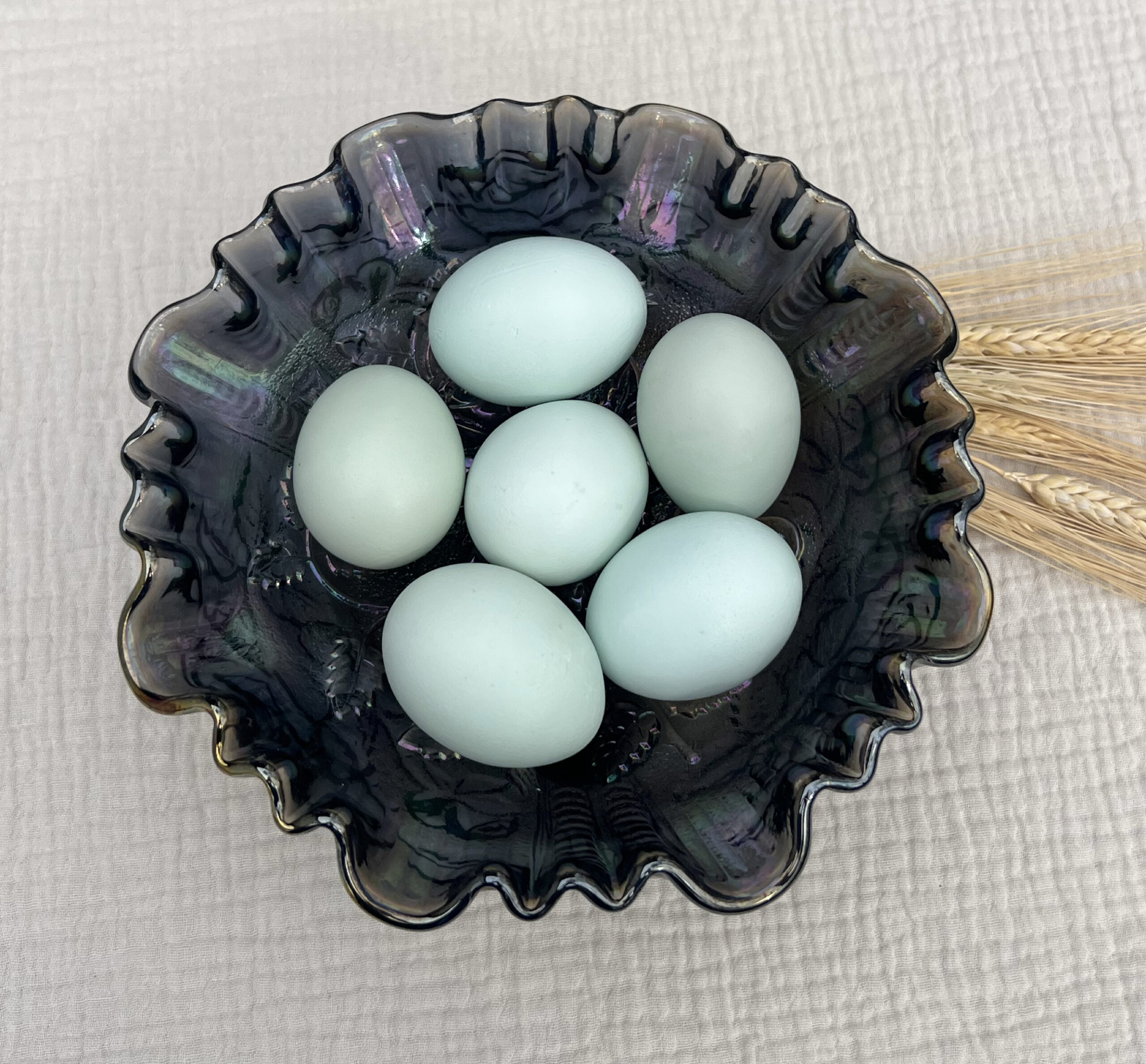
At Ederington Homestead, our Legbar breeding program is built on intentional selection and long term goals. Our flock includes multiple Legbar color varieties, with our primary focus on producing beautiful blue eggs while maintaining the characteristics that make Legbars such useful homestead birds. Our current stock descends from the Jill Reeves line, and all of our breeding stock is DNA tested and confirmed homozygous for the blue egg gene.
Legbars are autosexing chickens known for their distinctive crests, active personalities, excellent foraging ability, and beautiful blue eggs. While plumage and coloration can vary among the different Legbar varieties in our flock, we select across those colors for strong, healthy, productive birds with reliable blue egg genetics. Our goal is not to breed every bird toward the Cream variety, but to preserve and enjoy the different colors within our flock while continuing to improve egg color, productivity, and overall quality.
Egg Production and Laying Age
Legbars are productive layers known for their beautiful blue eggs. Hens typically begin laying around 5 to 6 months of age, although maturity and production vary by individual bird. At Ederington Homestead, we selectively breed for deeper blue egg color while also considering shell quality, consistency, and overall laying performance.

Breed Characteristics
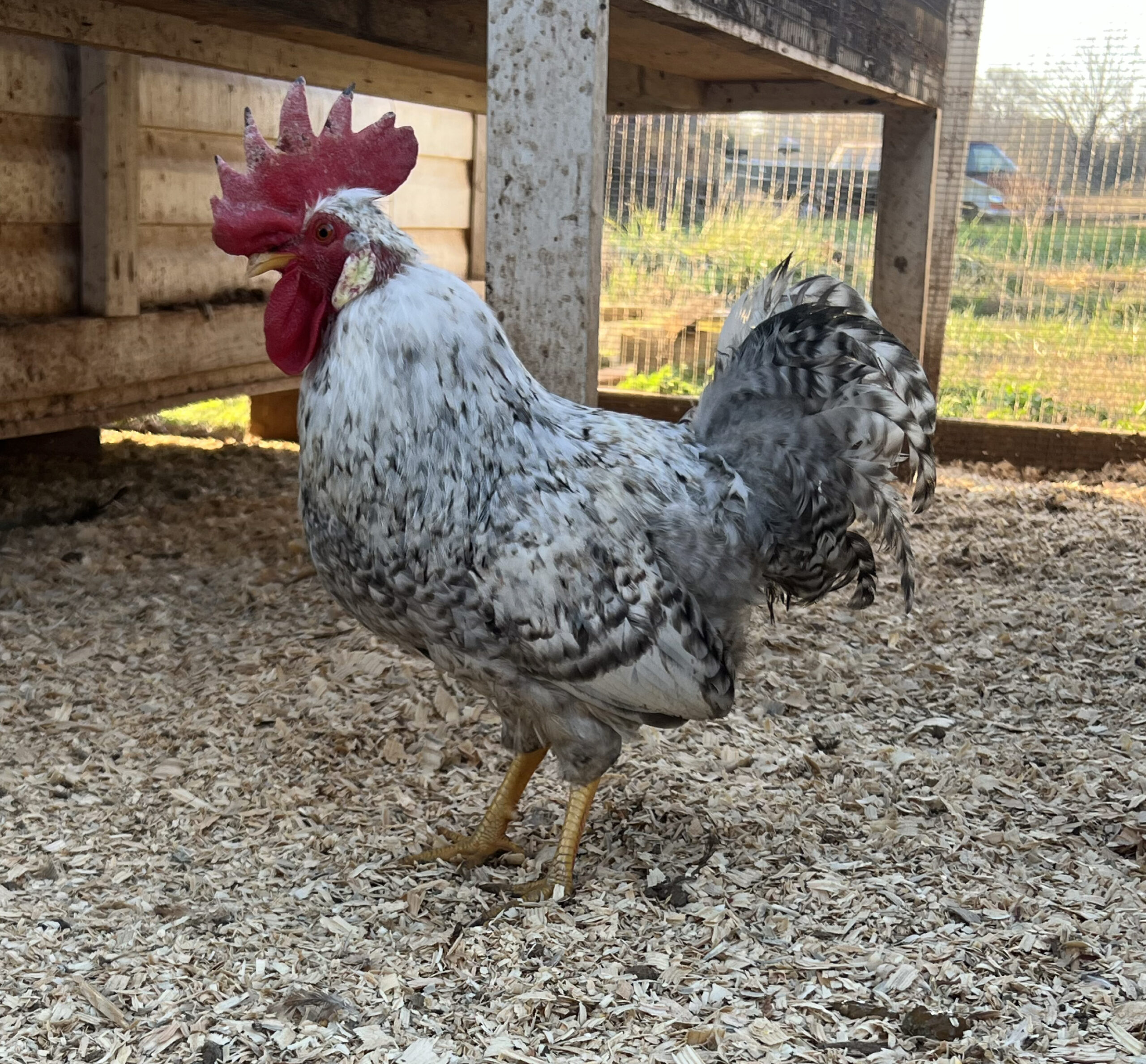
Legbars are medium sized, athletic chickens with an upright appearance and their characteristic crests. Our flock includes multiple color varieties rather than exclusively Cream Legbars, so plumage color and pattern can vary from bird to bird. This variety is part of what we enjoy about our Legbar flock, while blue egg genetics and functional breed characteristics remain central to our breeding program.
Temperament and Behavior
Legbars are alert, intelligent, active birds with excellent foraging instincts. They thrive when given room to explore and are well suited to a homestead environment. Individual personalities vary, but our breeding decisions favor healthy, manageable birds that combine productivity with the active, curious nature characteristic of Legbars.

Ease of Care and Hardiness
Legbars are hardy, active chickens that generally do well in a variety of flock settings. Their strong foraging instincts make them particularly well suited to life on the homestead, where they remain active and engaged. As with all of our chickens, we prioritize overall health, vigor, productivity, and birds that thrive under normal flock management.